Mission1 min read
Why we're building PawaCircle for Africa's savings groups
Chamas, susu, esusu and stokvels help millions of Africans save. Most still run on cash, notebooks and trust in one person. We think they deserve better tools.
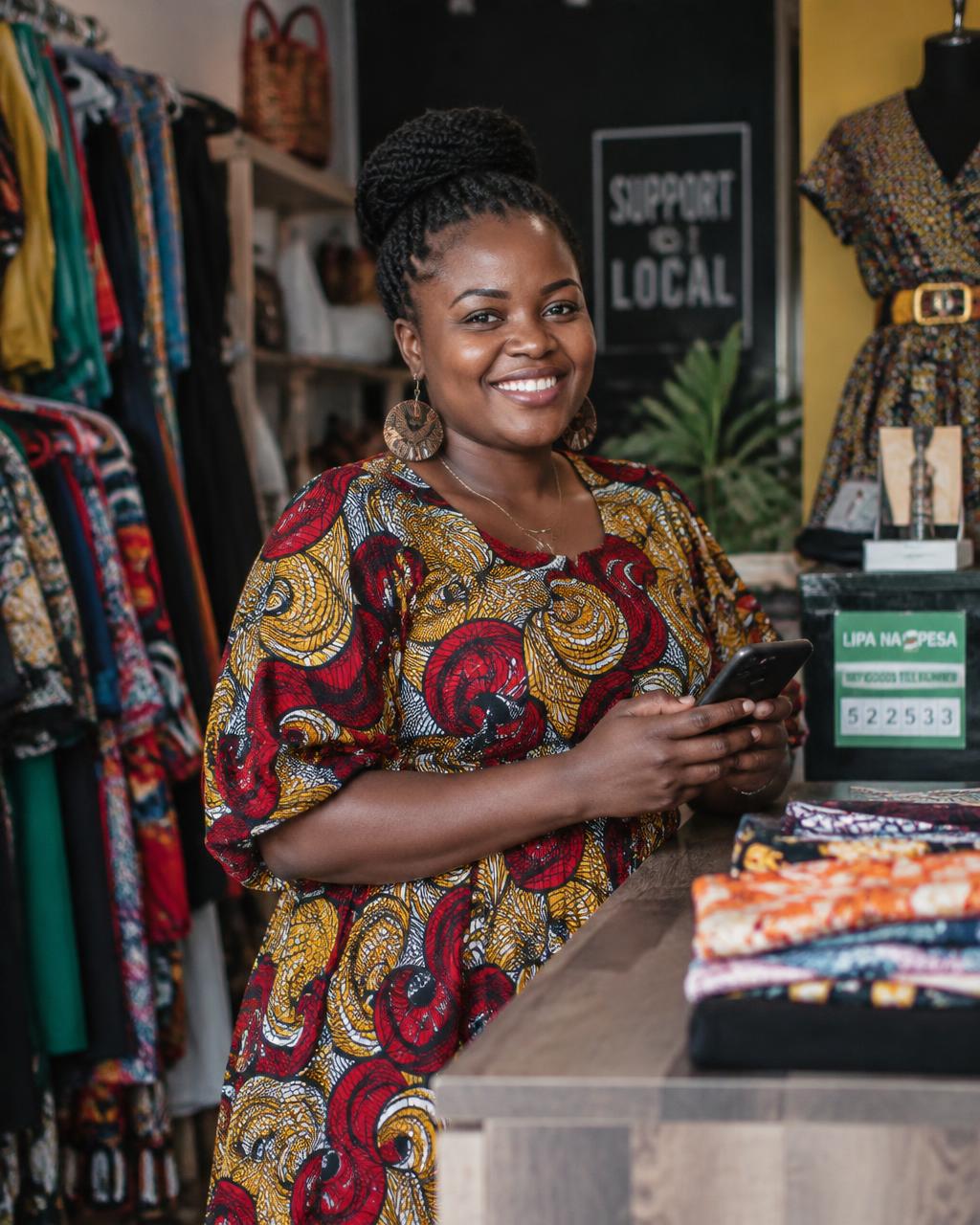
Africans have always saved together. In Kenya it is the chama. In Tanzania it is upatu, in Ghana susu, in Nigeria esusu and ajo, and in South Africa the stokvel. These groups help people buy stock, pay school fees, build homes and handle emergencies.
Yet most groups still run the same way they did decades ago: cash, a notebook and a treasurer everyone has to trust. When things go wrong, they go wrong in familiar ways.
- Members pay late, and organizers spend hours chasing them on WhatsApp.
- Records are kept by one person, so members cannot easily check them.
- Money goes missing, and good groups break up over disputes nobody can settle.
Keep what works, fix what doesn't
PawaCircle keeps what makes these groups strong: trust, community and discipline. It takes away the paperwork and the risk. Reminders go out on their own, payouts follow the order the group agreed, and every member can see every payment.
It works with the mobile money people already use, starting with M-Pesa, so nobody has to learn a new way to pay.
Starting in Kenya
Kenya has one of the strongest chama cultures in Africa and some of the world's most widely used mobile money. That makes it the right place to start. Once PawaCircle works well for Kenyan chamas, we plan to grow across East Africa and then West and Southern Africa.
Is your chama interested in the pilot?
Are you a chama leader, mobile money partner or investor who shares our mission? We would love to hear from you.